How to Add FAQ Schema to a Website (Step by Step)
To add FAQ schema to a website, you place a block of JSON-LD in the page's HTML that declares an FAQPage type, lists each question inside a mainEntity array, and attaches one acceptedAnswer to each question [1]. It takes about ten minutes per page. The part that has changed is why you would do it. On 7 May 2026, Google added a deprecation notice to its own FAQ documentation stating that FAQ rich results no longer appear in Google Search [1]. The expandable question-and-answer dropdown that most FAQ-schema tutorials still promise is gone, for every site, including the government and health sites that kept it after 2023 [1][5]. FAQPage remains a valid Schema.org type [29], the markup causes no harm [5], and other systems still parse it. This guide gives you the implementation, then tells you plainly which of the old reasons for doing it survive and which do not.
What FAQ schema actually is
FAQ schema is a machine-readable description of a question-and-answer section that already exists on your page. It does not create content. It labels content.
Two vocabulary terms get confused constantly, and the confusion causes most implementation errors. Schema.org is the vocabulary — the shared dictionary of types like FAQPage, Question, Answer and Organization, published at schema.org [29]. JSON-LD is one of three syntaxes for writing that vocabulary into a page. Google supports JSON-LD, Microdata and RDFa, and states that all three are equally acceptable as long as the markup is valid, while recommending JSON-LD as the easiest to implement and maintain at scale and the least prone to user error [3].
That recommendation matters more than it sounds. Microdata and RDFa are woven into your visible HTML as attributes on existing tags, which means every template change risks breaking them. JSON-LD sits in a single self-contained <script> block that can be generated, tested and replaced independently of your page layout. If you are choosing today, choose JSON-LD.
The structure Google requires for FAQPage is short [1]:
FAQPage must contain mainEntity, an array of Question items. There must be exactly one FAQPage definition per page.
Each Question requires name — the full text of the question — and acceptedAnswer.
Each Answer requires text — the full answer. Google permits a limited set of HTML inside answer text, including headings, <br>, ordered and unordered lists, <li>, <a>, <p>, <div>, <b>, <strong>, <i> and <em>; all other tags are ignored [1].
That is the entire required surface. Everything else you may have read about FAQ schema is either optional, or is advice about a rich result that no longer renders.
It is worth pausing on how small that list is, because the gap between the specification and the folklore around it is where most wasted effort lives. There is no required author, no required datePublished, no minimum question count beyond one, no maximum, and no property that lets you signal importance or priority. Practitioners have at various times recommended all of these. None of them is in the requirement set [1]. If a plugin is emitting fields Google does not document, those fields are not doing what the plugin's marketing says they are doing — at best they are inert, and at worst they describe content that is not on the page, which is a guideline violation [4].
The step-by-step implementation
Step 1 : Write the questions on the page first
This is not a stylistic preference. Google's guidelines state that all FAQ content must be visible to the user on the source page, and that marking up content which is not visible to readers is a violation [1][4]. An answer hidden behind an expandable accordion is acceptable, because the user can reach it by clicking. An answer that exists only inside the JSON-LD is not.
Write the questions the way people actually ask them. If your customers say "how much does it cost to fix", do not title the question "Pricing considerations". The question text is the highest-signal string in the whole block.
The reason is structural rather than stylistic. In the LaunchHappy Panel B measurement, 86.3% of 2,026 cited references pointed to pages whose title or slug restated the query in some form [32]. Whatever mechanism produces that concentration — retrieval matching, embedding similarity, or simple relevance — it rewards restating the question rather than abstracting it. A question written in your internal vocabulary is a question no one will ever match against.
A practical test: read the question aloud. If it sounds like a heading from a brochure rather than something a person would type or say, rewrite it.
Step 2: Choose FAQPage, not QAPage
FAQPage is for pages where you provide a single authoritative answer to each question. QAPage is for pages where users submit answers to a single question — forums, community support threads, product Q&A widgets [26].
Google lists the invalid FAQPage use cases directly: a forum page where users submit answers to a single question; a product support page where users submit answers; a product page where users can submit multiple questions and answers [1]. Getting this wrong is one of the most common errors in the wild. Note too that QAPage was not covered by the May 2026 deprecation — it remains a live, supported feature [26].
Step 3: Write the JSON-LD
Here is a complete, valid block. Replace the questions and answers with your own:
{
"@context": "https://schema.org",
"@type": "FAQPage",
"mainEntity": [
{
"@type": "Question",
"name": "How long does it take to add FAQ schema to a page?",
"acceptedAnswer": {
"@type": "Answer",
"text": "For a page that already has a visible FAQ section, adding valid FAQPage JSON-LD takes roughly ten minutes: copy the questions and answers into the mainEntity array, paste the block into the page, and validate it."
}
},
{
"@type": "Question",
"name": "Does FAQ schema still produce a rich result in Google?",
"acceptedAnswer": {
"@type": "Answer",
"text": "No. Google's FAQ structured data documentation states that as of 7 May 2026 FAQ rich results no longer appear in Google Search. FAQPage remains a valid Schema.org type and the markup can stay on the page."
}
}
]
}
Step 4: Place it in the page
Wrap the JSON-LD in a script tag with type="application/ld+json". It can go in the head or the body, both will work.
If you generate it with JavaScript rather than serving it in the initial HTML, be aware that Google processes JavaScript in three separate phases — crawling, rendering and indexing — and that rendering is deferred until resources are available [27]. Server-rendered markup is seen immediately; client-rendered markup waits.
That distinction matters more for AI retrieval than it does for Google. Many retrieval crawlers execute far less JavaScript than Googlebot does. If your structured data only exists after hydration, assume a meaningful share of machine readers will never see it. Put it in the served HTML.
This is one of the few places where a technical decision plausibly changes machine-readable outcomes, and it is not specific to FAQ markup. Anything that matters — your headings, your answer text, your Organization block — should arrive in the initial HTML response rather than being assembled in the browser. The rule of thumb is simple: fetch your own page with JavaScript disabled and read what comes back. Whatever is missing is content you are trusting a renderer to supply, and not every reader runs one.
Step 5: Mark up a repeated FAQ only once
If the same question and answer appear on multiple pages across your site, Google's guidance is to mark up only one instance of that FAQ for the entire site [1]. Bolting an identical FAQ block onto forty templated pages is precisely the pattern that got the feature restricted in the first place.
Step 6: Validate, then check the live page
Validate the syntax, then confirm the deployed page is actually reachable and not blocked by robots.txt, a noindex tag, or a login requirement [1]. A perfectly valid block on a page no crawler can fetch is worth nothing.
One caveat specific to this moment: Google removed FAQ support from the Rich Results Test in June 2026 [1][24]. That tool will no longer report on FAQ markup. Generic JSON-LD validators and the Schema.org validator still parse and check the block.
Step 7: Update any reporting that depended on it
Google removed the FAQ search appearance and the FAQ rich result report in June 2026, and support for the FAQ rich result in the Search Console API in August 2026 [1]. If you have a dashboard, a BigQuery export, or a client report pulling FAQ appearance data through that API, it needs updating. This is the one genuinely urgent item in the whole deprecation, because reporting pipelines tend to fail quietly rather than loudly.
What the May 2026 deprecation actually changed
Here is the sequence, from Google's own documentation and blog [1][5]:
August 2023. Google restricted FAQ rich results to "well-known, authoritative government and health websites" [5]. Most sites lost eligibility at this point. Google said at the time there was no need to proactively remove the markup, and that structured data which is not being used does not cause problems for Search, though it also has no visible effect [5].
7 May 2026. FAQ rich results stopped appearing in Google Search entirely, ending eligibility even for the government and health sites that had retained it [1].
June 2026. The FAQ search appearance filter, the rich result report, and Rich Results Test support were removed [1].
August 2026. FAQ rich result support in the Search Console API is removed [1].
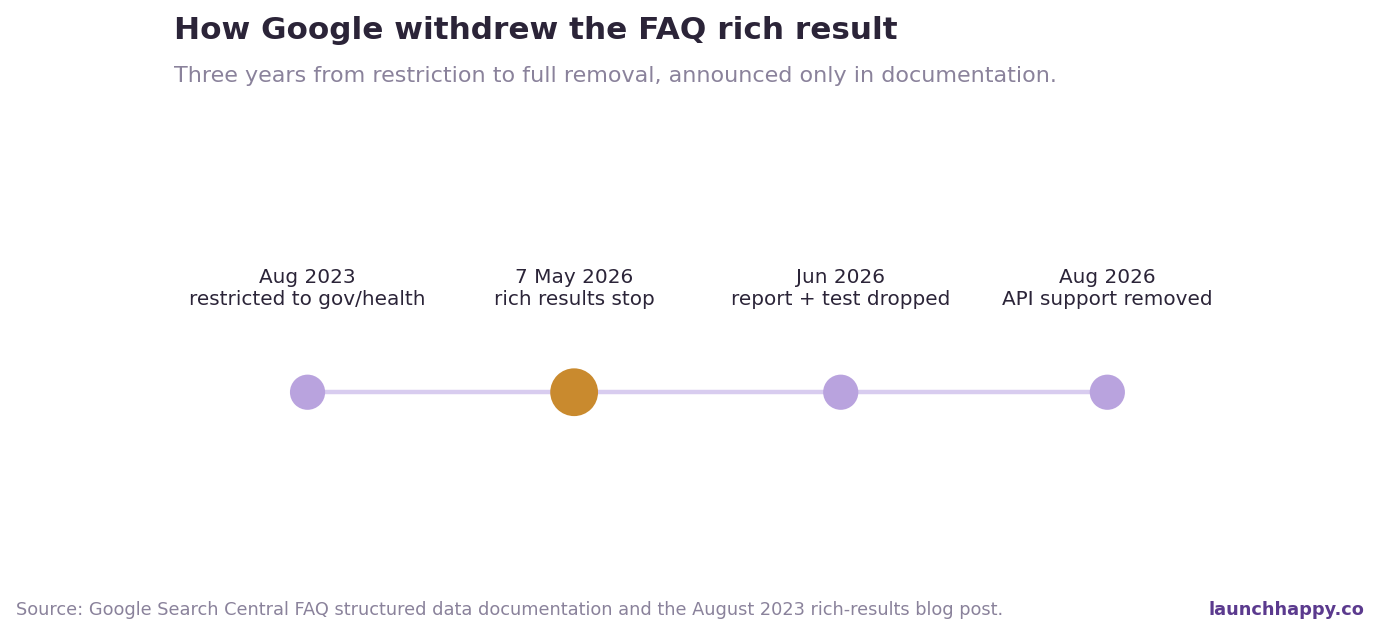
Figure 1: How Google withdrew the FAQ rich result
Google published no blog post explaining the change and gave no reasoning beyond the documentation note [24]. Search Engine Journal noted that FAQ schema had been appearing in AI-search advice as a way to make content easier for AI systems to parse, and that Google did not connect the deprecation to that trend [24].
The reaction split immediately into two wrong answers. One camp declared FAQ schema dead. The other declared it more important than ever for AI. Both misread what was deprecated: a SERP feature, not a vocabulary type.
Should you remove existing FAQ markup?
Probably not, and the evidence for leaving it is stronger than the evidence for removing it.
Google has said site owners do not need to proactively remove FAQ structured data [5], and that unused structured data does not cause problems for Search [5]. FAQPage remains valid at Schema.org [29]. A controlled test by SearchPilot, reported in industry coverage of the deprecation, found that removing FAQPage markup produced no statistically significant change in traffic [25] — the expected result if the markup was neither helping nor hurting.
Remove it in exactly two cases: if the visible FAQ section is gone from the page, because then the markup describes content that does not exist and violates the guidelines [4]; or if the FAQ was thin keyword-stuffed filler that should not have been there anyway.
The second case is worth dwelling on, because it explains the deprecation better than any official statement did. FAQ blocks proliferated onto pages that had no genuine questions attached to them, purely to claim additional vertical space in the results. Google restricted the feature in 2023 to well-known authoritative government and health sites [5] and removed it entirely in 2026 [1]. A feature that is abused at scale tends to be withdrawn at scale. If your FAQ section exists because a checklist told you to add one, deleting it improves the page; if it exists because customers genuinely ask those questions, keep it and keep the markup with it.
Does FAQ schema help with AI search?
This is the question everyone is really asking, and it deserves a straight answer rather than a comfortable one.
Google has stated its position explicitly, and it is not the answer the schema industry wants. Google's AI features documentation says there are no additional requirements to appear in AI Overviews or AI Mode and no other special optimizations necessary, and states directly that there is no special schema.org structured data that you need to add. It adds that you do not need to create new machine-readable files, AI text files, or markup [2]. What Google does say about structured data in the AI context is narrower and more useful: make sure your structured data matches the visible text on the page [2].
For other engines, nobody has published a comparable statement. OpenAI, Anthropic and Perplexity have not published guidance saying their retrieval systems use third-party structured data as a citation signal. The absence of a statement is not evidence of an effect in either direction — it is an open question, and it should be described as one.
The strongest independent evidence is scored, and unflattering to the hype. In May 2026, Cyrus Shepard of Zyppy published a meta-analysis synthesising 54 experiments, patents and case studies into 23 scored AI-citation factors — the first attempt in the field to weight advice by strength of evidence rather than opinion [10]. Search rank scored 9.4, query fan-out rank 9.3, preview control 9.2, and topic-cluster ranking 8.9 [10]. In the same analysis, llms.txt — the other machine-readable file the industry has been promoting — scored 2.0 out of 10, with the assessment that there is no credible evidence it influences AI citations [10].
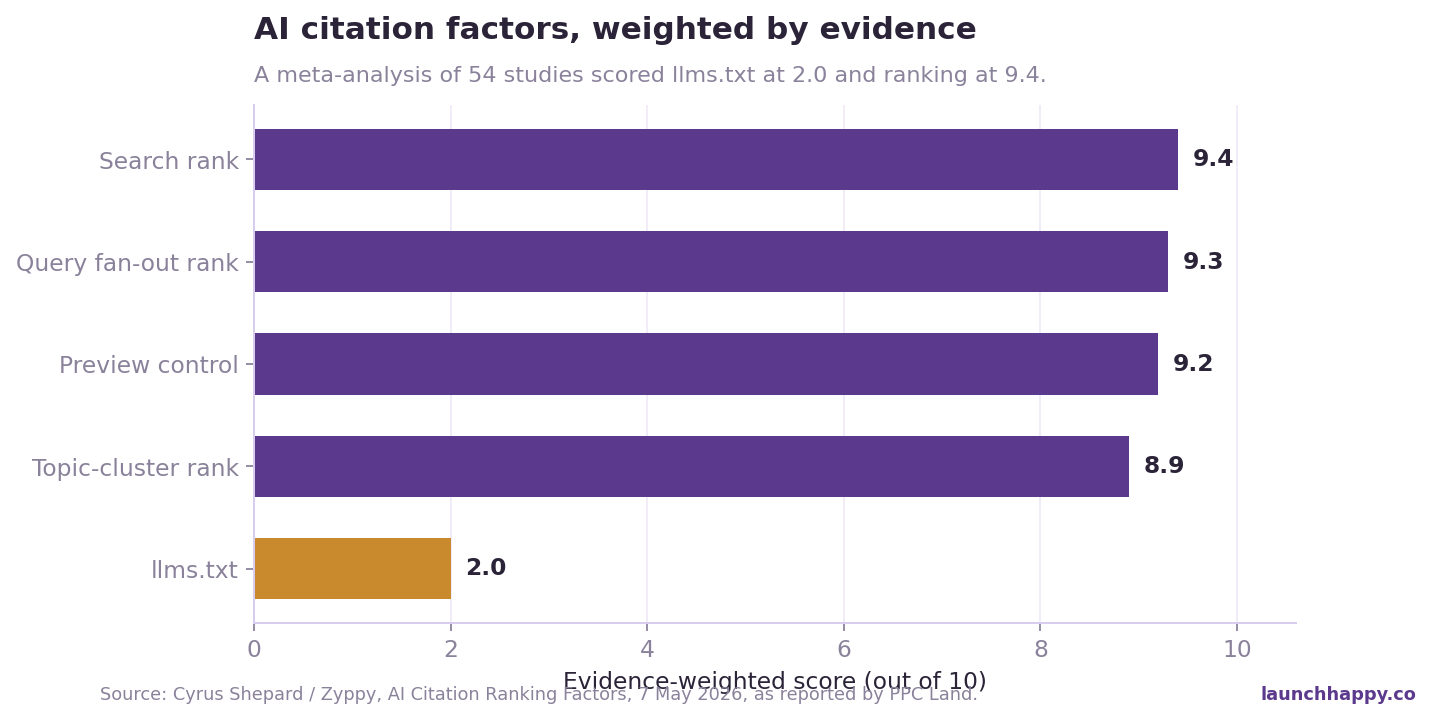
Figure 2: AI citation factors, weighted by evidence
And a measured null result deserves airtime. In first-party research conducted by the LaunchHappy GEO Certified program, 49 pages that had actually earned citations in AI answers were fully parameterised. Across all 49, JSON-LD schema was present on zero of them [31]. Those pages were winning citations without any structured data at all.
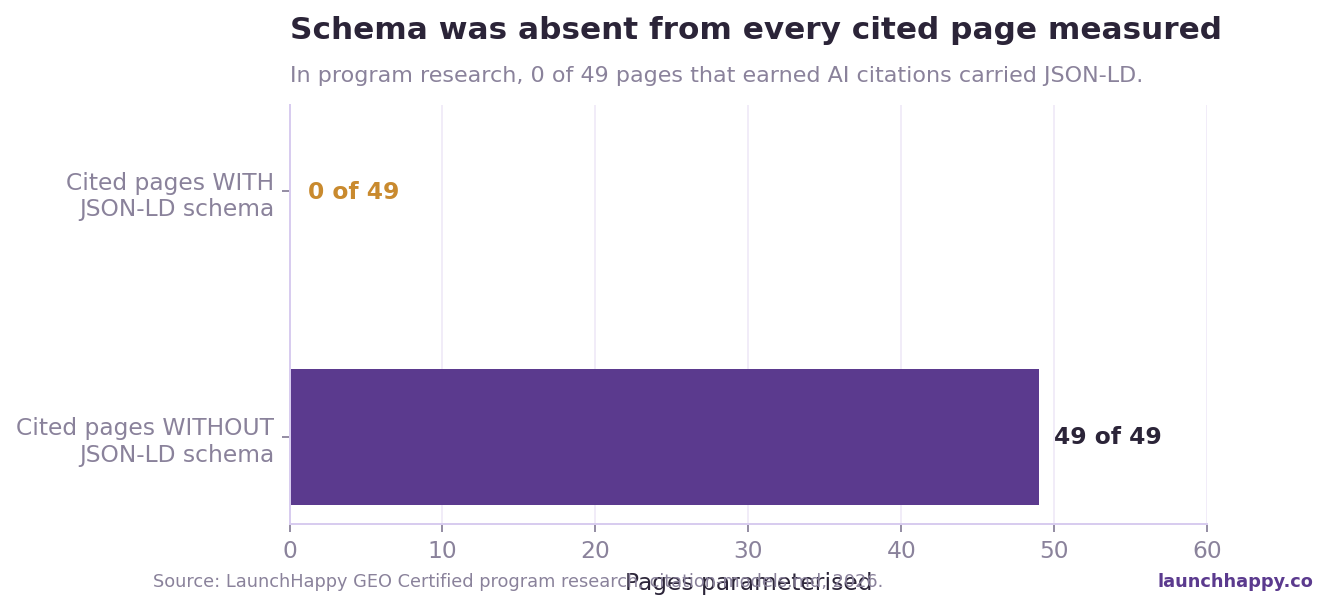
Figure 3: Schema was absent from every cited page measured
So the honest answer is: FAQ schema is not a demonstrated citation lever, and anyone selling it as one is ahead of the evidence. What FAQ content does do — the content, not the markup — is answer a specific question in a short, self-contained, extractable block. That shape matters a great deal, and the reason is worth understanding.
The shape underneath the markup
Research into where AI systems pull text from suggests extraction happens at the passage level rather than the page level. Zyppy and Authoritas found that 44.2% of all LLM citations are extracted from the first 30% of a document [11]. In the LaunchHappy program's Panel B measurement — 25 frozen questions across four AI platforms, three runs each, for 300 measured answers — 2,026 cited references were logged, and 32.5% of them were passage-level deep links using the #:~:text= fragment syntax, meaning the assistant was pointing at one specific quoted block rather than at the page as a whole [32].
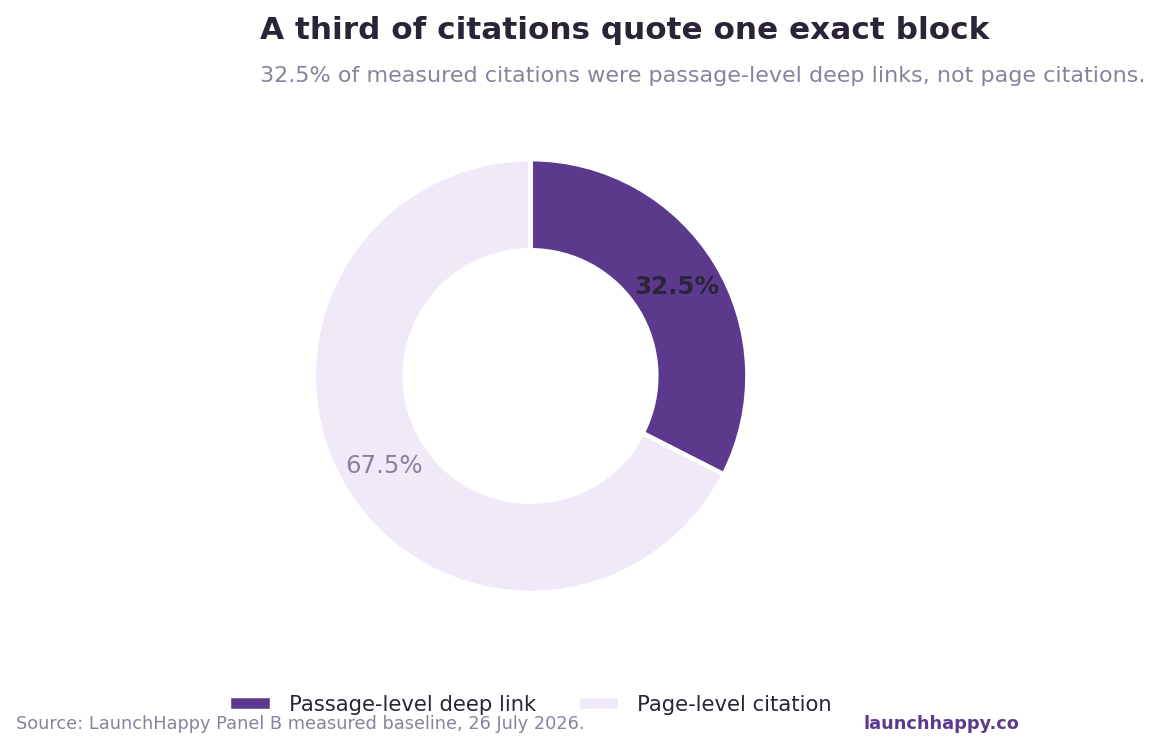
Figure 4: A third of citations quote one exact block
A well-built FAQ section is a stack of short, self-contained, directly quotable answers. That is why FAQ content keeps earning citations. The JSON-LD wrapper around it is a separate thing, and the evidence for the wrapper is much weaker than the evidence for the shape.
If you want the citation benefit, the reliable move is to write question-shaped headings followed by a 40-to-80-word answer that stands alone when lifted out of context. Add the markup too if you like — it is cheap, valid and harmless — but do not confuse the two. We go deeper into which markup is worth the effort in Which Schema Types Matter Most for AI Search?, and the platform-specific version of this question is covered in Does Schema Markup Help With ChatGPT Visibility?.
Where FAQ schema still earns its place
Strip away the rich result and three legitimate reasons to ship FAQPage markup survive. None of them is a traffic promise, which is why they rarely appear in tutorials — they are unglamorous and they are real.
It is a consistency contract with yourself. Google's guidelines require that structured data accurately represent the page and match the visible text [4][2]. Maintaining valid markup therefore forces a small, recurring audit: if the JSON-LD and the page disagree, one of them is stale. Teams that keep markup honest tend to catch content drift — outdated prices, retired policies, renamed products — earlier than teams that do not, because the markup is a second copy of the same claims that has to be reconciled.
It is cheap insurance against a format that may matter more later. The vocabulary is stable and the cost of carrying it is near zero: Google has stated plainly that unused structured data does not cause problems for Search [5]. Non-Google consumers — Bing, independent retrieval crawlers, internal search tools, browser extensions, accessibility tooling — parse the same blocks, and none of them announced a deprecation. Betting a strategy on that is unwise; carrying valid markup while you wait costs nothing.
It disambiguates your entity. This is the underrated one. Organization markup that names the business, its canonical URL and its sameAs profiles gives machine readers an unambiguous handle on who is answering the question [30]. In program research, the single most-cited page across an entire measured model was an entity-definition page — a plain-language statement of what the brand is and who it belongs to — which earned 30 citations on its own [31]. Entity clarity is doing work there. The markup is one of several ways to state it, and it is the cheapest.
What none of these justify is the sales pitch. If someone quotes you for "AI optimization" and the deliverable is FAQ schema, ask what evidence they have that it moves citations. On the published record, the honest answer is that nobody has shown it does [2][10][31].
Common mistakes
Marking up invisible content. The single most common violation, and an explicit guideline breach [1][4].
Using FAQPage on a user-generated Q&A page. Use QAPage [26].
Duplicating the same FAQ block site-wide. Mark it up once [1].
Injecting the JSON-LD client-side only. Rendering is a deferred phase for Google [27], and many retrieval crawlers execute less JavaScript than Googlebot. Serve it in the HTML.
Writing questions nobody asks. Generic filler FAQ blocks bolted on for extra SERP space are what triggered the 2023 restriction.
Expecting a rich result. It is gone [1]. If your business case for FAQ schema rested on the dropdown, the business case is gone with it — and that is worth saying out loud rather than quietly re-selling the same work under an AI banner.
What to do instead, if you wanted traffic
If the reason you were adding FAQ schema was visibility, the evidence points somewhere else.
Front-load the answer. With 44.2% of LLM citations coming from the first 30% of a page [11], burying the answer in the fourth section removes you from consideration.
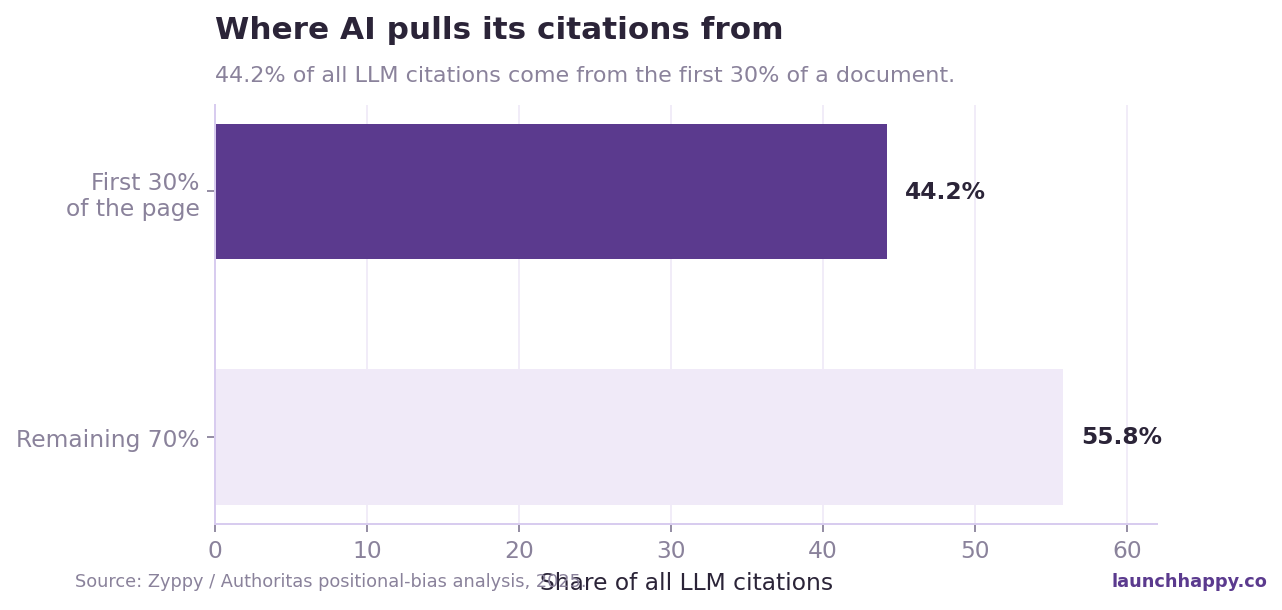
Figure 5: Where AI pulls its citations from
Write extractable blocks. Program research found that cited pages in one measured model carried only 61 to 91 extractable words each — the wins came from question-shaped titles and entity clarity rather than from bulk [31].
Mirror the question in the title. In the Panel B measurement, 86.3% of 2,026 cited references pointed to pages whose title or slug restated the query [32].
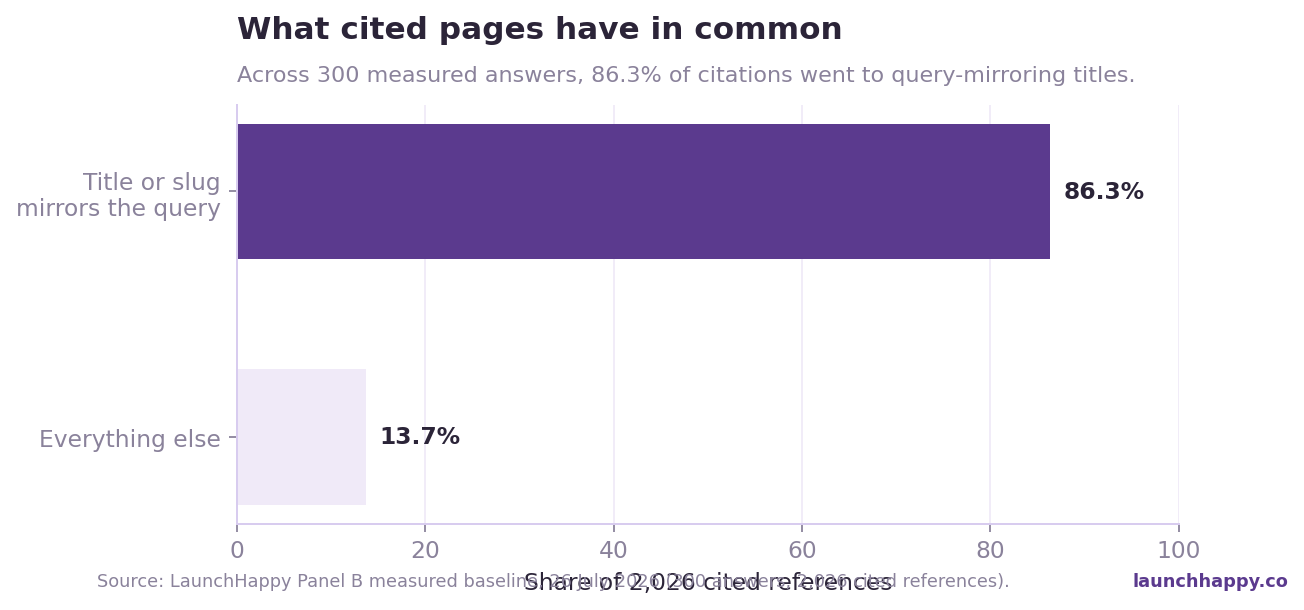
Figure 6: What cited pages have in common
Do not neglect ranking. Zyppy scored search rank at 9.4, the highest single factor in the meta-analysis [10]. Ahrefs data indicates AI Overview citations from top-10 organic results fell from roughly 76% in July 2025 to 38% in March 2026 [9], while BrightEdge put the figure at 17% in February 2026 [14]. The two disagree, which is itself informative about how young this measurement field is, but both show that ranking is no longer sufficient on its own. It remains, on current evidence, the largest single input.
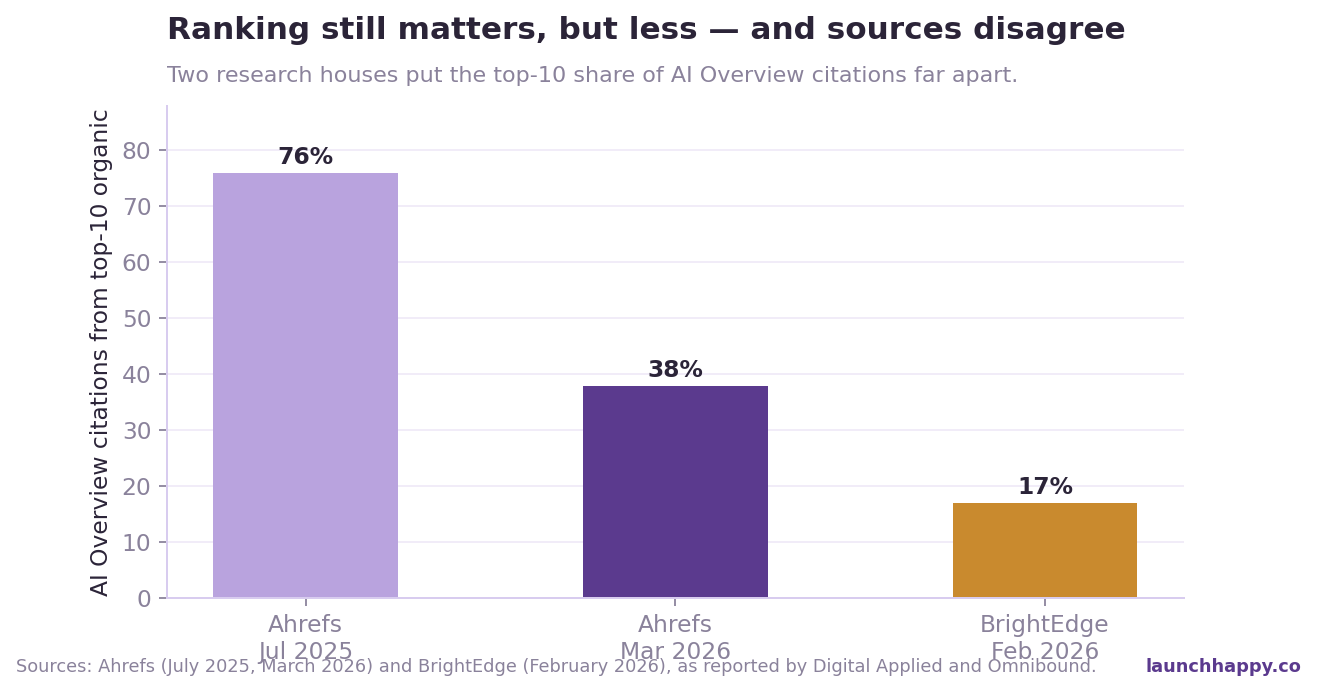
Figure 7: Ranking still matters, but less — and sources disagree
Keep it current. ConvertMate's AI Visibility Study, covering 80 million citations across more than 10,000 domains, reported that content updated within the last 90 days received roughly a 3.2x citation multiplier [18].
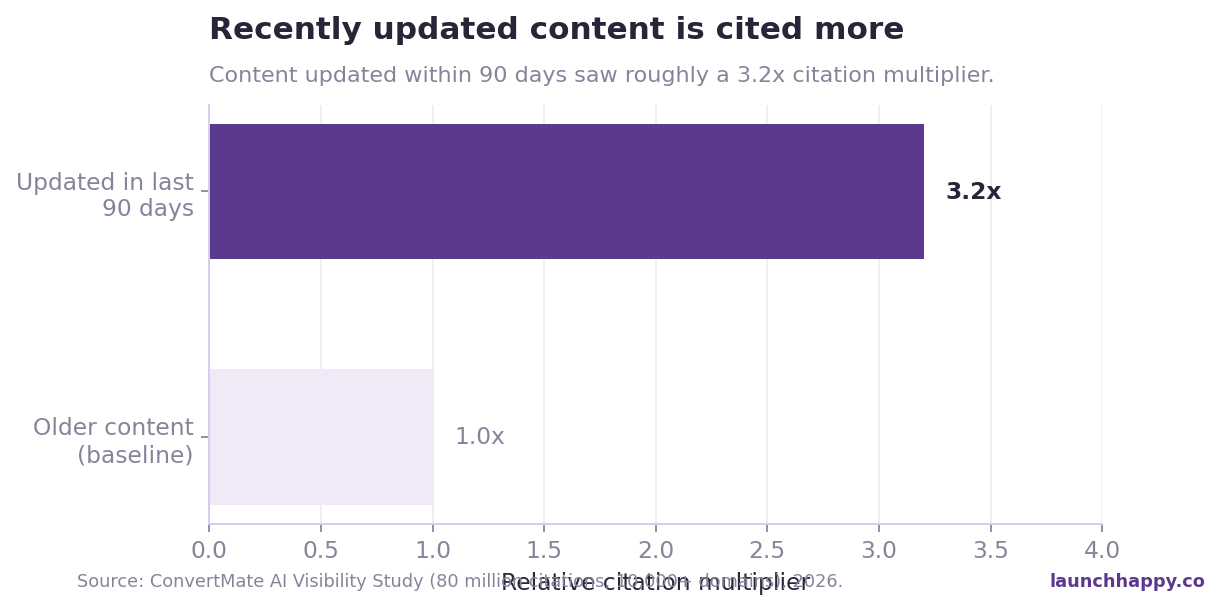
Figure 8: Recently updated content is cited more
Be realistic about the size of the prize, and about who is competing for it. Semrush's 126-million-prompt study found that only 36 brands maintained top-100 visibility across all four major AI platforms, and that citation behaviour differs sharply between engines — ChatGPT cites roughly 15 sources per response while Gemini cites around 3 [15]. Growth Memo found the top 10 domains take 46% of all ChatGPT citations within a topic, and the top 30 take 67% [17]. Concentration is real, but it is concentration within a topic, which is precisely why a narrow, genuinely-owned subject beats broad coverage.
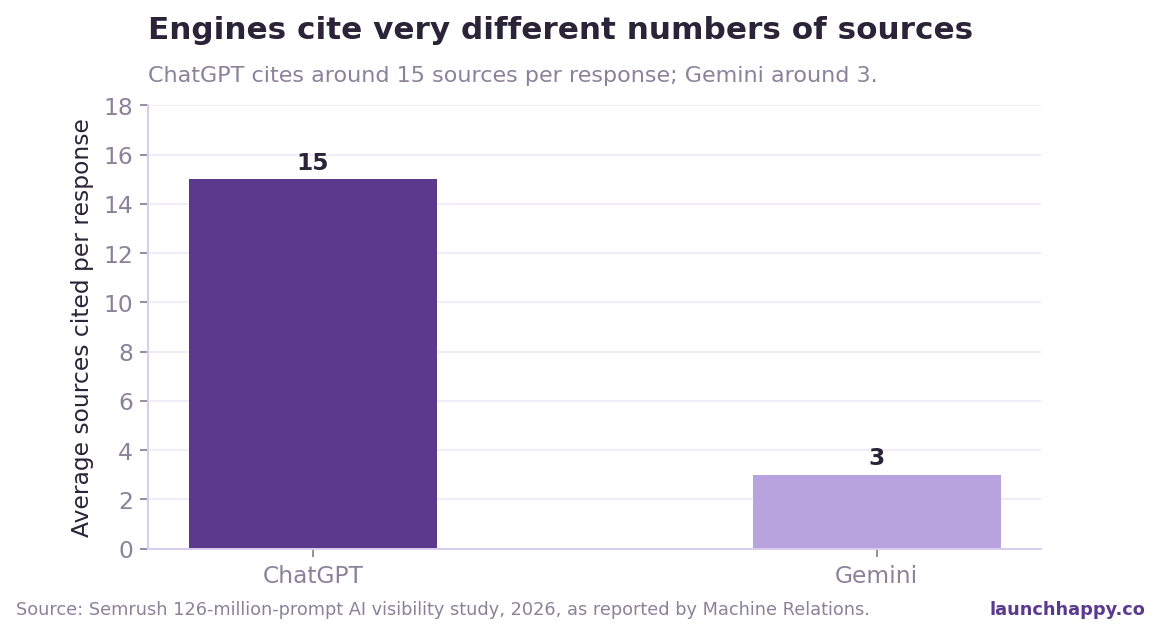
Figure 9: Engines cite very different numbers of sources
And weigh the traffic against its quality. Seer Interactive's study of 3,119 informational queries across 42 organizations found organic click-through rate fell 61%, from 1.76% to 0.61%, on queries where an AI Overview appears — but that brands cited in those AI Overviews earned roughly 35% higher organic CTR and 91% higher paid CTR than uncited brands on the same queries [13]. Semrush separately valued AI-referred visitors at around 4.4x traditional organic visitors [16]. Fewer clicks, better clicks, and a widening gap between cited and uncited brands on identical queries.
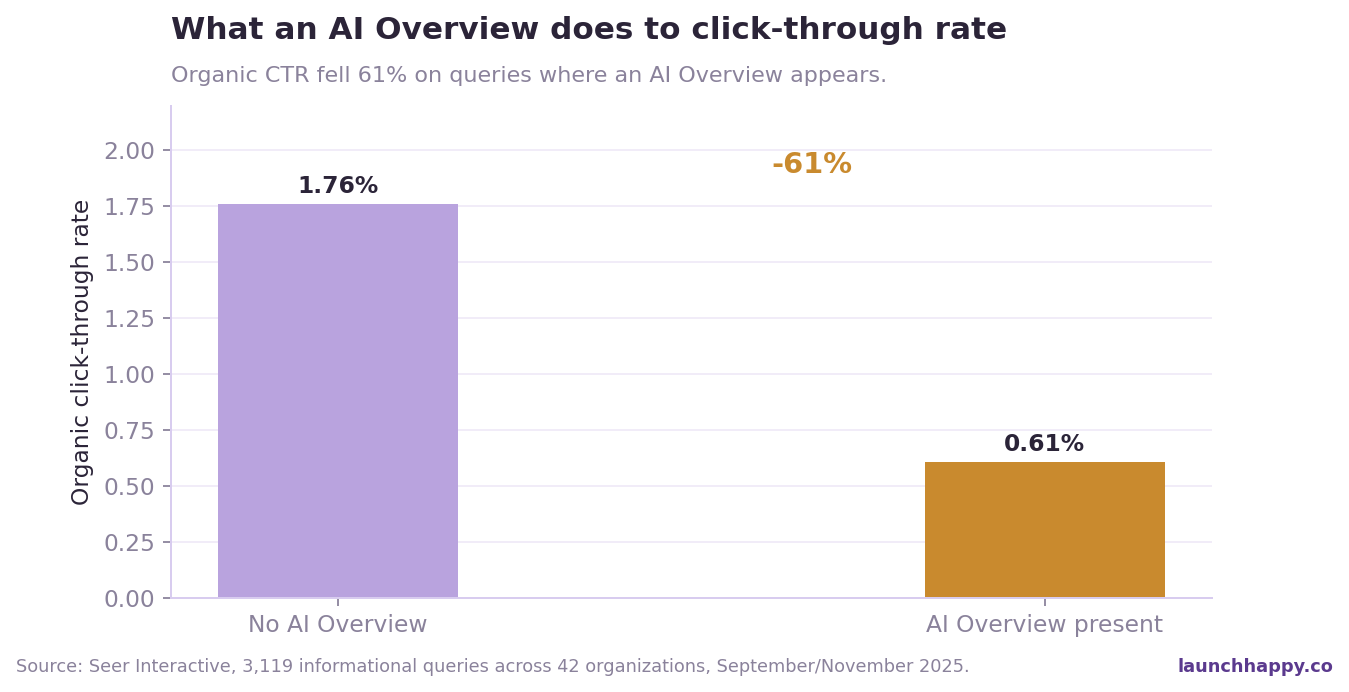
Figure 10: What an AI Overview does to click-through rate
The mechanism behind all of this is covered in Why Does AI Cite Some Websites and Not Others?, and the underlying format is explained from scratch in What Is JSON-LD Structured Data? A Plain-English Guide.
Frequently asked questions
Is FAQ schema dead? The rich result is. The type is not. Google's documentation states FAQ rich results no longer appear in Google Search as of 7 May 2026, while FAQPage remains a valid Schema.org type and the markup can stay on your pages [1][29].
Should I remove FAQPage markup from my site? Not in most cases. Google has said there is no need to proactively remove it and that unused structured data does not cause problems for Search [5], and a controlled SearchPilot test found removing it produced no statistically significant traffic change [25].
Will FAQ schema help me get cited by AI? There is no strong published evidence that it will. Google states no special schema.org structured data is needed for its AI features [2], and program research found zero of 49 measured cited pages carried JSON-LD at all [31]. The FAQ content shape — short, self-contained, question-led answers — has much better evidence behind it than the markup [11][32].
What replaced the FAQ rich result report? Nothing directly. The FAQ search appearance and rich result report were removed in June 2026, and API support in August 2026 [1]. Sites appearing in Google's AI features are reported within the overall "Web" search type in the Search Console Performance report [2].
Can I use FAQPage and Article schema on the same page? Yes. Combining types is normal, provided each accurately describes content genuinely on the page [4].
How many questions should an FAQ section have? As many as people genuinely ask, and no more. There is no threshold in Google's requirements beyond at least one valid Question item [1].
Does FAQ schema work on Squarespace, WordPress or Wix? Yes. On platforms where you cannot edit HTML directly, use a code-injection field or a structured-data plugin; Google notes that CMS users may need a plugin or a search-engine settings page rather than direct HTML editing [3].
Was QAPage deprecated too? No. QAPage is a separate type for pages where users submit multiple answers to one question, and it was not part of the FAQ rich result deprecation [26].
Written by the LaunchHappy GEO team. LaunchHappy measures AI visibility against a frozen question set and reports what changed. See the GEO Report.
References
[1] Google Search Central, FAQ (FAQPage, Question, Answer) structured data, updated 8 May 2026 — https://developers.google.com/search/docs/appearance/structured-data/faqpage [2] Google Search Central, AI features and your website, updated 10 December 2025 — https://developers.google.com/search/docs/appearance/ai-features [3] Google Search Central, Intro to how structured data markup works — https://developers.google.com/search/docs/appearance/structured-data/intro-structured-data [4] Google Search Central, General structured data guidelines, updated 10 July 2026 — https://developers.google.com/search/docs/appearance/structured-data/sd-policies [5] Google Search Central Blog, Changes to HowTo and FAQ rich results, 8 August 2023 — https://developers.google.com/search/blog/2023/08/howto-faq-changes [9] Ahrefs (March 2026), AI Overview citation overlap with top-10 organic results, as reported by Digital Applied — https://www.digitalapplied.com/blog/ai-search-citation-ranking-factors-2026-data-study [10] Cyrus Shepard / Zyppy, AI Citation Ranking Factors, 7 May 2026, as reported by PPC Land — https://ppc.land/23-factors-that-actually-get-your-content-cited-by-ai-search-engines/ [11] Zyppy / Authoritas (2025), positional bias in LLM citations, as reported by AI Thinker Lab — https://aithinkerlab.com/generative-engine-optimization-2026/ [13] Seer Interactive (September/November 2025), AI Overviews CTR study, 3,119 informational queries across 42 organizations, as reported by Omnibound — https://www.omnibound.ai/blog/ai-seo-statistics [14] BrightEdge (February 2026), AI Overview trigger rate and citation source data, as reported by Omnibound — https://www.omnibound.ai/blog/ai-seo-statistics [15] Semrush 126-million-prompt AI visibility study (2026), as reported by Machine Relations — https://machinerelations.ai/research/ai-search-citation-factors-2026 [16] Semrush (June 2025), AI-referred visitor conversion rate, as reported by Omnibound — https://www.omnibound.ai/blog/ai-seo-statistics [17] Growth Memo (March 2026), ChatGPT citation concentration by domain, as reported by Position Digital — https://www.position.digital/blog/ai-seo-statistics/ [18] ConvertMate, AI Visibility Study (80 million citations, 10,000+ domains), as reported by SLT Creative — https://www.sltcreative.com/ai-seo-statistics [24] Matt G. Southern, Google Drops FAQ Rich Results From Search, Search Engine Journal, 10 May 2026 — https://www.searchenginejournal.com/google-drops-faq-rich-results-from-search/574429/ [25] SearchPilot controlled test of FAQPage markup removal, as reported in 2026 coverage of the deprecation — https://orangemonke.com/blogs/google-drops-faq-rich-results-from-search/ [26] Google Search Central, Q&A (QAPage) structured data — https://developers.google.com/search/docs/appearance/structured-data/qapage [27] Google Search Central, Understand the JavaScript SEO basics — https://developers.google.com/search/docs/crawling-indexing/javascript/javascript-seo-basics [29] Schema.org, FAQPage — https://schema.org/FAQPage [30] Google Search Central, Organization structured data — https://developers.google.com/search/docs/appearance/structured-data/organization [31] LaunchHappy GEO Certified program research, citation-models.md — first-party measured research, 2026 [32] LaunchHappy Panel B measured baseline, 26 July 2026 (300 measured answers, 2,026 cited references) — first-party